
Energy
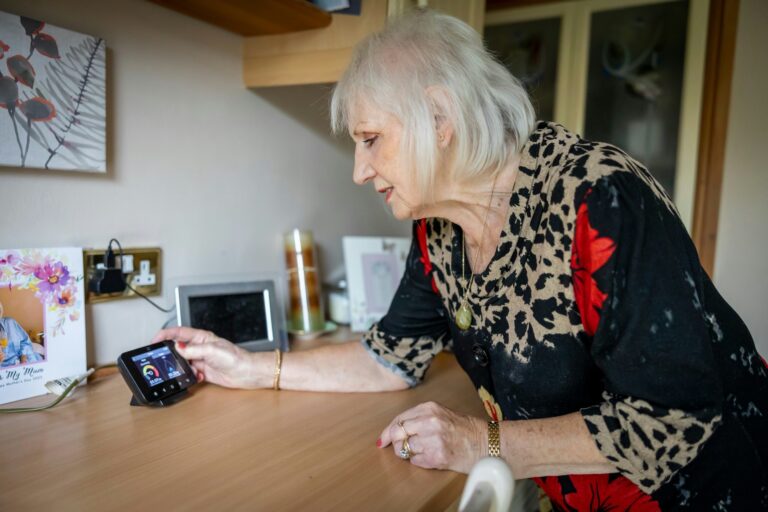
Customers were more likely to sustain payment arrangements. Colleague satisfaction improved. Repeat contacts down by over 20%.
Read Case Study
We do not start with a framework and apply it to your organisation. We start with what is actually happening in your vulnerable customer journeys and work backwards from there.
Our approach is built on three sources of truth: vulnerable customers, the colleagues who serve them, and the data. Everything we recommend is anchored to one or all of these. If we cannot point to evidence from customers, colleagues, or your own data, we do not recommend it.
This is not traditional consulting. We do not arrive with a pre-built model, map your organisation onto it, and hand over a strategy document. We work with you to understand where vulnerability creates risk in your customer journeys, and then we design the changes with the people they are meant to serve.

Our core methodology is Inclusive Design: vulnerable customer co-discovery, co-design and co-delivery. It is structured around four sprint stages, each designed to deliver standalone value while building towards lasting change.
Discover. We understand your vulnerable customers: their needs, their circumstances, and their journey with your organisation. We compare what is happening with what you want to happen (your Vulnerability Ambition) and identify the gaps. We do this through lived-experience discovery with vulnerable customers, through the colleagues who collectively deliver the journey, and through a range of solicited and unsolicited customer insight sources. The output is a clear view of your journey from a vulnerable customer perspective, where the gaps are, and what needs to change.
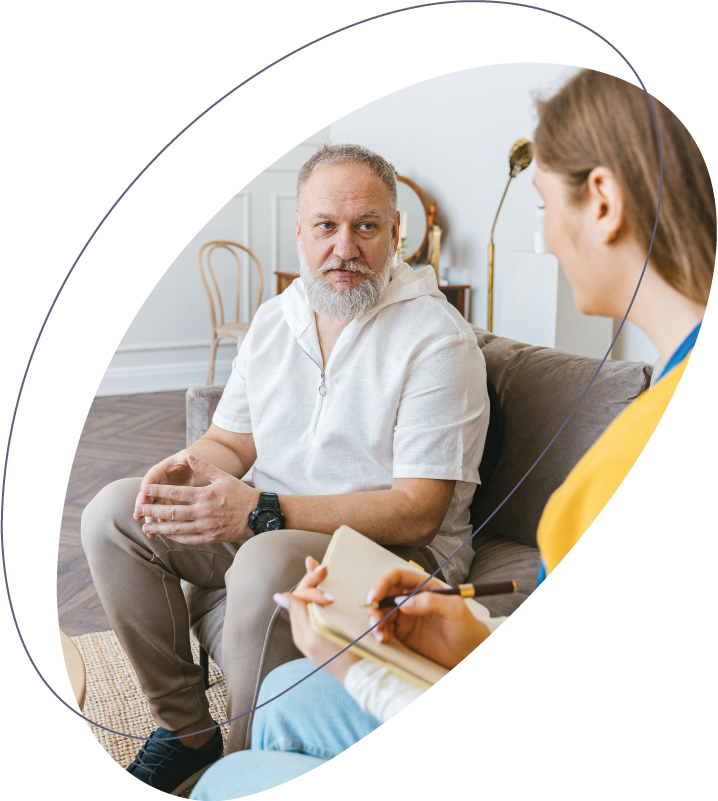
Design. We co-design solutions with vulnerable customers and the colleagues who will deliver them. This is not a workshop where ideas are generated and then handed to a project team. The people who use the service and the people who deliver it are in the room together, designing what comes next.
Prototype. We prototype and validate before full build. Changes are tested with vulnerable customers to check they work in practice, not just in theory. This is where evidence replaces assumption and helps reduce vulnerability risk.
Delivery. Once the prototype is sufficiently developed and proven, we move to full build and embedding. The changes are implemented, measured, and integrated into your organisation’s operations. There is learning by doing throughout, but this stage is about making the redesign stick in day-to-day practice. It also allows you to close the loop with your customers and colleagues through “you said, we did” stories.
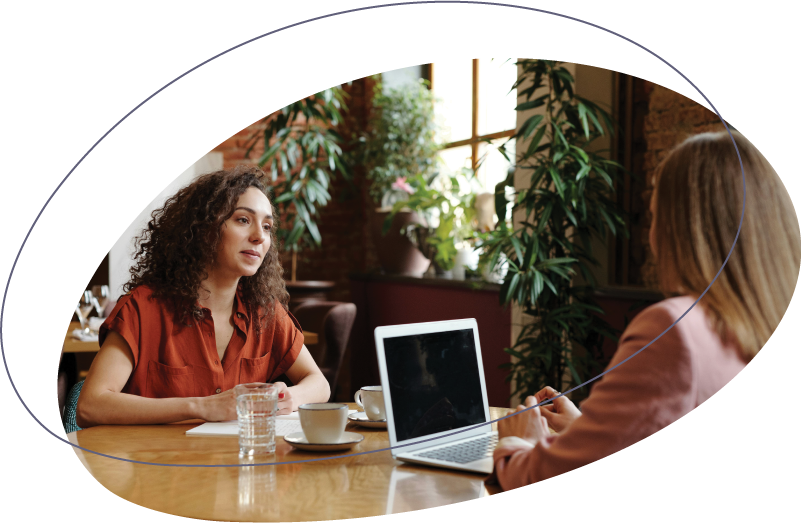
Most vulnerability work is done to people, not with them. Strategies are written in rooms full of people who are not vulnerable. Customer journeys are redesigned without involving the customers who use them. Training is delivered to frontline teams who already know what to listen for but do not have the tools, processes, or authority to act on what they hear.
We work differently. Vulnerable customers are involved at every stage: in discovery, design, testing, and delivery. Colleagues are involved too, because even the best-designed service fails if the people delivering it were not part of building it.
The result is service change that works for vulnerable customers, colleagues, and commercial teams. Inclusive Design that reduces vulnerability risk, improves customer outcomes, and gives you the evidence to demonstrate it to your board and your regulator.
Every engagement starts with a conversation. We listen to where you are, build on what you have already tried, and explore what you are trying to achieve. From there, we scope the right starting point. That might be a Vulnerability Review, a Vulnerability Ambition, an Inclusive Design sprint, or Advisory Support alongside work you are already doing.
We are direct about what we find. We bring bad news when it is there and highlight good practice when we see it. We are also practical: every recommendation comes with a clear route to implementation. We aim to leave you with the tools, methods, and ownership to keep going without us.
Customers were more likely to sustain payment arrangements. Colleague satisfaction improved. Repeat contacts down by over 20%.
Read Case StudyVulnerable customers felt less friction in their claims journey. Colleague attrition fell. Annual savings of over £350,000.
Read Case StudyEngineers better prepared, vulnerable customers better served. Annual savings of over £400,000 from reduced repeat visits and more efficient operations.
Read Case StudyStronger compliance evidence, repeat contacts down by over a quarter, annual savings of over £500,000.
Read Case Study